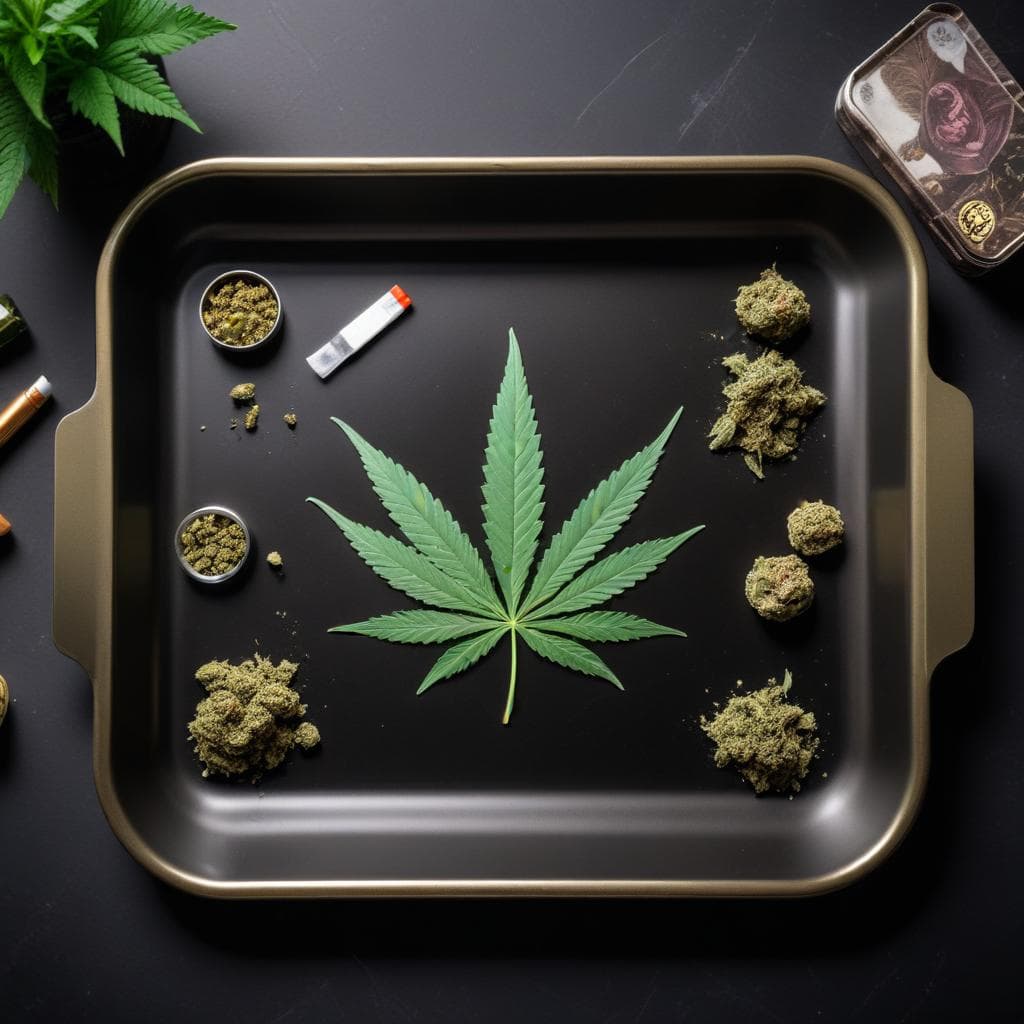
The History of Rolling Trays: From Utility to Art
The Evolution of the Rolling Tray
Rolling trays have journeyed from simple utility items to cultural artifacts and branded merchandise. Understanding this history helps appreciate how custom rolling trays became essential accessories in modern cannabis culture.
Early Origins: The Necessity Phase
Pre-Commercial Era
Before dedicated rolling trays existed, people improvised:
Common Improvised Surfaces:
- Book covers
- Magazine backs
- Dinner plates
- Flat boxes
- Any available flat surface
Problems with Improvisation:
- Inconsistent surfaces
- Material waste
- Messy process
- No containment
- Unprofessional appearance
First Dedicated Trays
The earliest purpose-made rolling trays emerged as simple solutions:
Characteristics:
- Basic metal trays
- Simple raised edges
- Plain, undecorated surfaces
- Purely functional design
- Often repurposed items
Materials Used:
- Tin serving trays
- Metal baking sheets
- Wooden boards
- Repurposed containers
The Counter-Culture Era (1960s-1970s)
Rise of Cannabis Culture
As cannabis became associated with counter-culture movements:
Cultural Shifts:
- Smoking became social ritual
- Accessories gained importance
- Personal expression emerged
- Community formed around use
Early Custom Trays:
- Hand-painted designs
- DIY decorations
- Political messaging
- Artistic expression
- Underground production
Artistic Expression Begins
Rolling trays became canvases for:
- Psychedelic artwork
- Peace symbols
- Band logos
- Counter-culture imagery
- Personal creativity
Commercialization Era (1980s-1990s)
Head Shop Culture
As head shops proliferated:
Commercial Changes:
- Mass production began
- Standard sizes established
- Quality improvements
- Retail distribution
- Brand emergence
Product Evolution:
- Better materials
- Improved edges
- Printed designs
- Multiple sizes
- Accessory integration
Design Diversity Expands
Popular Themes:
- Bob Marley imagery
- Cannabis leaf designs
- Rastafarian colors
- Music culture references
- Abstract patterns
Modern Era (2000s-2010s)
Technology Improvements
Printing and manufacturing advances enabled:
Technological Advances:
- Full-color printing
- Photo-quality images
- Durable coatings
- Consistent production
- Lower costs
New Materials:
- Metal rolling trays with premium finishes
- Bamboo and sustainable woods
- Silicone additions
- Composite materials
Legitimization Begins
As attitudes toward cannabis shifted:
Industry Changes:
- Professional manufacturers
- Quality standards
- Legal retail channels
- Mainstream acceptance
- Brand development
The Legal Era (2010s-Present)
Post-Legalization Explosion
Cannabis legalization transformed the market:
Market Growth:
- Massive industry expansion
- Corporate entry
- Professional branding
- Mainstream retail
- Premium products
Custom Rolling Trays Emerge
Custom rolling trays became essential marketing tools:
Business Applications:
- Dispensary branding
- Product promotions
- Customer loyalty
- Brand merchandise
- Corporate gifts
Innovation Era
New Product Categories:
- LED rolling trays
- Wood rolling trays with engraving
- Magnetic systems
- All-in-one stations
- Smart accessories
Cultural Significance
Rolling Trays as Art
Modern trays feature:
Artistic Elements:
- Limited edition collaborations
- Artist partnerships
- Gallery-worthy designs
- Collectible releases
- Cultural commentary
Community Building
Trays bring people together:
Social Functions:
- Shared experiences
- Conversation starters
- Personal expression
- Group rituals
- Community identity
Brand Storytelling
Custom trays tell brand stories:
Branding Applications:
- Company values display
- Visual identity extension
- Customer connection
- Memorable marketing
- Lifestyle association
Collecting Culture
Rolling Tray Collectors
A collecting community has emerged:
What Collectors Seek:
- Limited editions
- Artist collaborations
- Historical pieces
- Unique designs
- Brand collections
Value Factors:
- Rarity
- Condition
- Historical significance
- Artist reputation
- Cultural relevance
Notable Collections
Types of Collections:
- Brand-specific
- Artist-focused
- Era-based
- Material-focused
- Theme-based
The Future of Rolling Trays
Emerging Trends
Technological Integration:
- Smart features
- App connectivity
- Advanced lighting
- Interactive elements
Sustainability Focus:
- Eco-friendly materials
- Recycled components
- Sustainable production
- Biodegradable options
Personalization:
- On-demand customization
- Individual designs
- Photo uploads
- Personal messaging
Premium Evolution
Luxury Market:
- High-end materials
- Designer collaborations
- Investment pieces
- Status symbols
How History Shapes Today's Choices
Understanding Value
Historical perspective reveals:
- Why quality matters
- Design importance
- Branding value
- Cultural significance
- Investment potential
Making Informed Choices
When selecting custom rolling trays, consider:
- Material quality and heritage
- Design meaningfulness
- Brand authenticity
- Functionality evolution
- Future collectibility
Creating Your Own History
Brands can become part of rolling tray history:
Building Legacy:
- Quality products
- Meaningful designs
- Cultural relevance
- Customer connection
- Lasting impression
Join the Evolution
Create your chapter in rolling tray history with MunchMakers.
Browse our product collection or request a custom mockup to design trays that will become part of your brand's legacy.
Ready to Create Your Custom Rolling Trays?
Put your brand in your customers' hands. Get a free mockup in 24 hours.